

What Is Screen Printing? How It Works, Benefits & Applications
Screen printing is a popular technique in bulk printing operations and plays a vital role in various industries today. This method has a fascinating history, tracing back to the 18th century, when silk mesh became widely available, paving the way for its use. By the 19th century, screen printing was making waves in advertising and has continued evolving since. Its versatility allows customization across various sectors, including textiles, packaging, and more.
At Print360.us, we specialize in delivering high-quality screen printing services, ideal for businesses looking to enhance their branding through effective packaging and promotional products. In this article, we will explore what screen printing is, how it works, and its numerous benefits and applications, particularly in relation to our products.
What is Screen Printing?
Screen printing, sometimes called silk screening, is the art of transferring a stenciled design onto a surface using a mesh screen, ink, and a squeegee. This versatile process allows businesses to create eye-catching prints on numerous materials, including paper, fabric, and even plastic. Not only does screen printing offer a broad palette of colors, but it also enables intricate designs, making it a favored choice in printmaking.
How Does Screen Printing Work?
Understanding how screen printing works is vital for appreciating its value. Whether executed manually or by advanced machinery, the basic steps remain the same. Let’s break down the screen printing process step-by-step.
Design Creation
The first step in the screen printing process is developing a design. Once you have a concept, it is printed onto a transparent acetate film, which will serve as a stencil for creating the screen.
Selecting and Preparing the Screen
Next, you need to choose the appropriate screen and mesh count. Mesh count refers to how many fibers are packed into one square inch. Higher mesh counts are suitable for detailed designs, while lower counts allow more ink flow. Once selected, the screen is coated with a light-reactive emulsion.
Exposing the Emulsion
Once your design is ready, place the acetate film on the emulsion-coated mesh. This exposure to bright light hardens the emulsion, creating your stencil. It’s essential to use separate screens for each color in your design to maintain print quality.
Stencil Creation
After exposing the screen, the unhardened emulsion is rinsed away, leaving behind a clear stencil. Any necessary touch-ups are made at this stage to ensure the stencil replicates the original design accurately.
Preparation for Print
Once the stencil is ready, the material to be printed (often paper in our packaging solutions) is laid flat on the printing board. The screen is positioned directly over the material, aligning perfectly for the next step.
Applying the Design
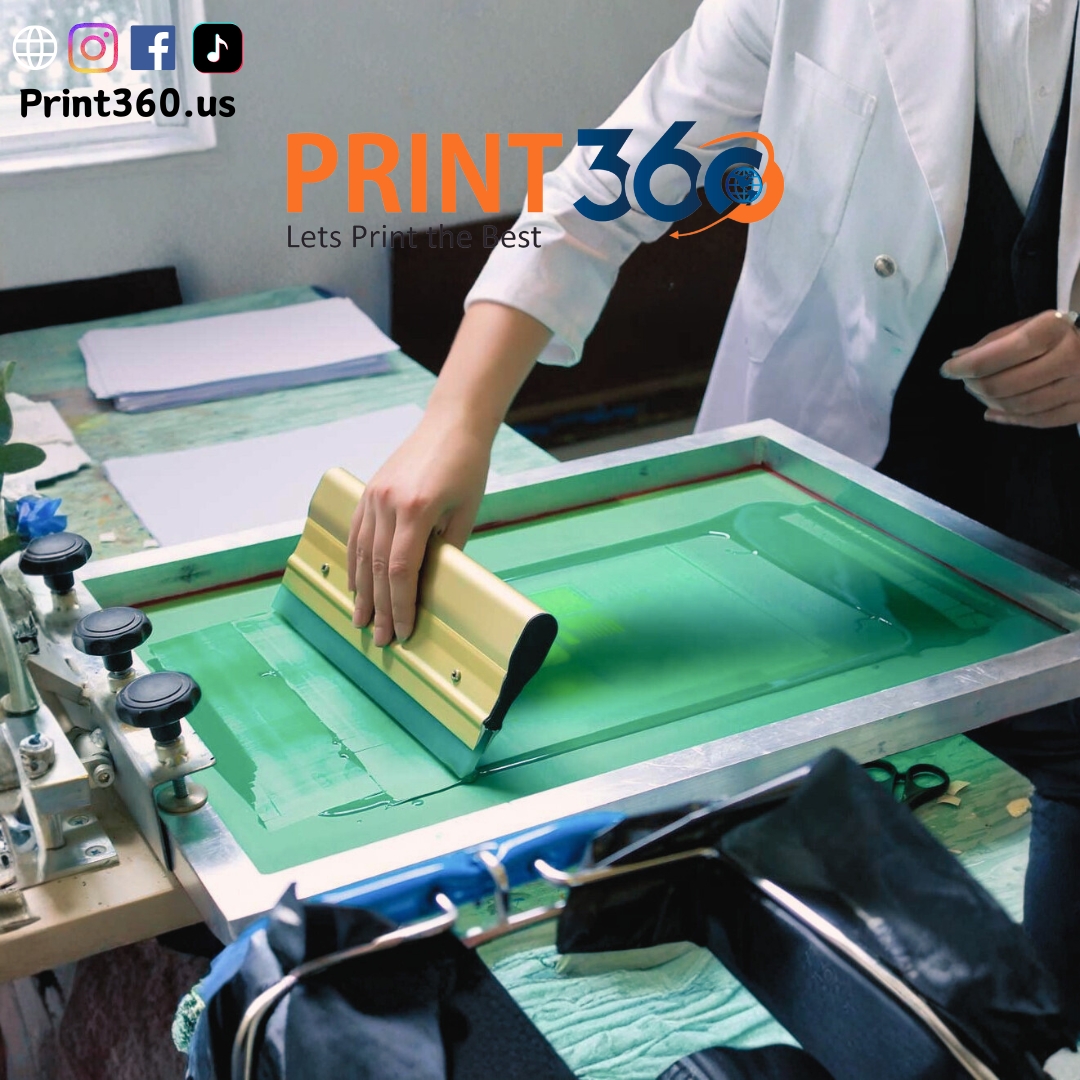
Now, the printed design comes to life. The screen is lowered onto the material, and the desired colored ink is poured onto the screen. A squeegee evenly distributes the ink through the stencil, transferring the design onto the underlying surface.
Heat Curing & Finishing
To ensure longevity, the printed product undergoes heat curing, which sets the ink and prevents fading. This step is crucial for items intended for long-term use.
Benefits of Screen Printing
When considering screen printing for your business needs, several advantages make it a standout option:
Versatility
One of the most significant benefits of screen printing is its versatility. It can be applied to a wide range of materials, from fabric and cardboard to plastic and wood. This adaptability makes it perfect for various applications, including our custom packaging solutions.
Durability
Screen printing is known for its durability. The heavy ink coverage allows designs to withstand wear and tear, including exposure to UV rays, moisture, and chemicals. This robustness makes it an ideal choice for outdoor products as well.
Vibrancy of Ink Colors
The vibrant colors produced through screen printing are hard to replicate. With multiple layers applied, colors retain their brilliance, making your designs pop and catch attention.
Cost-Effective
Though the initial setup may require investment, screen printing becomes more economical with higher production volumes. The more you print, the lower the cost per unit, making it suitable for businesses planning to scale.
Exceptional Speed and Efficiency
Once the screen is created, the printing process is swift. This efficiency is especially beneficial for businesses needing quick turnaround times on promotional materials or packaging.
Straightforward Process
The screen printing process is relatively simple to understand. Whether automated or done manually, the required tools are easily accessible and reasonably priced, making it a user-friendly choice for businesses.
Screen Printing Applications
Screen printing is exceptionally versatile, allowing for the application of designs to various shapes, sizes, and materials. Here are some common applications relevant to Print360.us:
Custom Packaging: Enhance your product’s appearance and branding through custom screen printed boxes or bags.
Textile Printing: Create unique apparel or fabric designs that stand out in the market.
Promotional Materials: From stickers to banners, screen printing is perfect for creating eye-catching promotional items.
Labels and Tags: Ideal for product labeling, offering an additional branding opportunity.
Employing screen printing in your business can significantly enhance your branding and product presentation.
Frequently Asked Questions (FAQs)
1. What is screen printing?
Screen printing is a printing technique where ink is applied to a surface using a mesh screen and a stencil.
2. How does screen printing work?
The process involves creating a stencil on a mesh screen, preparing the screen, applying ink, and curing the printed material to set the design.
3. What are the benefits of screen printing?
Screen printing offers benefits such as versatility in printing on various materials, durability of designs, vibrant colors, and cost-effectiveness for bulk production.
4. Can screen printing be used for custom packaging?
Yes, screen printing is excellent for custom packaging solutions, allowing businesses to create unique and branded packaging.
5. Is screen printing suitable for large volumes?
Absolutely! Screen printing is highly efficient and cost-effective for large print runs, making it ideal for businesses needing to print in bulk.
6. What types of products can be screen printed?
Screen printing can be used on a wide range of products, including textiles, promotional items, packaging, and signage.
7. Are there limitations to screen printing?
While screen printing is versatile, it may not be the best choice for highly detailed or photographic images, which are better suited for other printing methods like digital printing.